Category: Uncategorized

  • That’s A Wrap! 2022 In Review

    It’s that time of year and as I’ve done in years past, I wanted to give you my ridiculous reading list, the most read articles on this blog for the year and a roundup of podcast appearances.

    Before I do, I want to again shout out my coaches here at RevFit who have made this year another big success: my humble thanks to Coach Mike, Coach Nick, Coach David and a shout out to Coach Megan and Coach Ryan who also made this year possible.

    2022 was also the beginning of Big Rocks Nutrition Coaching which is where I’ve been putting my time outside of RevFit. A huge thanks to Dr. Spencer Nadolsky and the incredible crew he’s built around that platform. It’s been an honor to be a part of it.

    Let’s break down the lists.

    I was featured as a guest on these podcasts this year:

    The Lifestyle Chase with Chris Liddle

    Bo Knows Health with Bo Babenko

    PT Profit Podcast with Beverly Simpson

    The Strong Jon Podcast with Jon Vlahogiannakos

    Also, I was featured on the Canvas Rebel website as a small business owner and you can read that one HERE.

    As for articles, here are the Top 5 most read articles on the site with one honorable mention:

    Stay Alive

    20 Life Lessons From “Gram”

    How’s Your Wife?

    47 Random Thoughts At My 47th Birthday

    What A Decade Of Dealing Drugs Taught Me About Coaching

    And the honorable mention goes to: I Remember…(This One’s For Terry) This article blew up when I wrote it and this year marks two years since Terry’s passing. His sister had reposted it on Facebook on the anniversary of his passing and I did the same that day. Not surprisingly, it blew up again. It’s credit to who Terry was and how much he is missed.

    This was the first year in many years that I made a conscious attempt to read/consume more books than I bought. Part of that is because my library here at the studio is packed to the gills and if I want to buy more books, I need to purge the ones I won’t be reading a second time. The good news is: I’ve almost read every single book I own and I think 2023 will be the year I will have conquered them all…just don’t ask me how much I remember about each of them. My retention isn’t great!

    1. Bourbon: A Story of Kentucky Whiskey by Clay Rizen
    2. Waiting For The Last Bus by Richard Holloway
    3. Courage Is Calling by Ryan Holiday
    4. The Listening Party by Tim Burgess
    5. The New Power Eating by Dr. Sue Kleiner
    6. Born For Love by Bruce Perry and Maia Szalavitz
    7. The Stone Diaries by Carol Shields
    8. Co-Active Coaching by Henry Kimsey-House, Karen, Kimsey-House, Phillip Sandahl, and Laura Whitworth
    9. Mini Habits For Weight Loss by Stephen Guise
    10. Eat, Drink, And Be Healthy by Walter C. Willett and Patrick J. Skerrett
    11. Lame Deer, Seeker Of Visions by John (Fire) Lame Deer and Richard Erdoes
    12. Mistakes Were Made (But Not By Me) by Tavris and Aronson
    13. Science And Development Of Muscle Hypertrophy by Brad Schoenfeld
    14. Trail Of Crumbs by Kim Sunee
    15. Journey To The Centre Of The Cramps by Dick Porter
    16. Peace With Self, Peace With Food by Galina Denzel
    17. The Atrocity Exhibition by J.G. Ballard
    18. The Greatest Footballer You Never Saw by Paul McGuigan and Paolo Hewitt
    19. Science Of Strength Training
    20. The Good News About What’s Bad For You, The Bad News About What’s Good For You by Jeff Wilser
    21. Sing Backwards And Weep by Mark Lanegan
    22. Girl With A Future by Parker Ames
    23. Protein by Alan Aragon
    24. In Evidence We Trust by Jamie Hale
    25. The Writer’s Journey by Christopher Vogler
    26. Rip It Up And Start Again: Postpunk 1978-1984 by Simon Reynolds
    27. The Diving Bell And The Butterfly by Jean-Dominique Bauby
    28. Burning Britain: The History Of UK Punk 1980-1984 by Ian Glasper
    29. My Pocket Guide To Stretching by K. Aleisha Fetters
    30. Devil In A Coma by Mark Lanegan
    31. Move The Body, Heal The Mind by Dr. Jennifer Heisz
    32. The Power Of Story by Jim Loehr
    33. Meditating To Attain A Healthy Body Weight by Dr. Lawrence LeShan
    34. Hunger by Knut Hamsen
    35. Speedboat by Renata Adler
    36. The Good Mood Diet by Susan Kleiner and Bob Condor
    37. I Am The Wolf by Mark Lanegan
    38. Meaningful Work by Shawn Askinosie and Lawren Askinosie
    39. A Fast Ride Out Of Here by Pete Way
    40. Eating After 40 by Abby Langer
    41. Fanocracy by David Meerman Scott and Reiko Scott
    42. Healing The Shame That Binds You by John Bradshaw
    43. Reach by Don Bajema
    44. Man Fast by Natasha Scripture
    45. Atlas Of The Heart by Brene Brown
    46. Crash by J.G. Ballard
    47. Motivational Interviewing in Nutrition And Fitness by Clifford & Curtis
    48. Buffalo, Barrels, & Bourbon by F. Paul Pacult
    49. Big Feelings by Liz Fosslein and Molly West Duffy
    50. The Ripple Effect by Greg Wells
    51. 1984 by George Orwell
    52. Positivity by Barbara Fredrickson
    53. Angel by Elizabeth Taylor
    54. Hollow City by Ransom Riggs
    55. Asymmetry by Lisa Halliday
    56. A Farewell To Arms by Ernest Hemingway
    57. Losing It? by John Whitney
    58. The Fortress Of Solitude by Jonathan Lethem
    59. The Quantum Thief by Hannu Rajaneimi
    60. Next Year In Havana by Chanel Cleton
    61. Why We Do What We Do by Edward L. Deci & Richard Flaste
    62. Can I Kiss You? by Michael Domritz
    63. Tales Of The City by Armistead Maupin
    64. The Sense Of Style by Steven Pinker
    65. Pride & Discipline: The Legacy Of Jack LaLanne by Elaine LaLanne & Greg Justice
    66. Scaling Up Excellence by Robert Sutton & Huggy Rao
    67. Anatomy Of A Warrior by Alexander Lanshe
    68. Crime And Punishment by Fyodor Dostoyevsky
    69. Authentic by Paul Van Doren
    70. Pop! Stand Out In Any Crowd by Sam Horn
    71. A Fine Balance by
    72. As Serious As Your Life by Val Wilmer
    73. Zen Wrapped in Karma Dipped In Chocolate by Brad Warner
    74. The Science Of Stuck by Britt Frank
    75. Erotic Stories For Punjabi Widows by Balli Kaur Jaswal
    76. Outwitting The Devil by Napoleon Hill
    77. How To Win Over Worry by Joseph Haggai
    78. Slash: A Punk Magazine From Los Angeles 1977-80 by Brian Roettinger and JC Gabel
    79. Shuggie Bain by Douglas Stuart
    80. Effective Weight Loss by Forman and Butryn
    81. The Four Winds by Kristin Hannah
    82. Hustle Harder, Hustle Smarter by Curtis Jackson
    83. The Despair Of Monkeys And Other Trifles by Francoise Hardy
    84. Of Human Bondage by W Somerset Maugham
    85. The Compound Effect by Darren Hardy
    86. Candide by Voltaire
    87. Eat It by Jordan Syatt and Michael Vacanti
    88. Record Play Pause by Stephen Morris
    89. Fast Forward by Stephen Morris
    90. Overcoming Binge Eating by Christopher Fairburn
    91. The Golem and the Jinni by Helene Wecker
    92. InsideOut Coaching by Joe Ehrmann
    93. Fitness For Every Body by Meg Boggs
    94. Willpower Doesn’t Work by Benjamin Hardy
    95. Post by Eric Grubbs
    96. Burnout by Emily and Amelia Nagosaki
    97. Is It Still Good To Ya? by Robert Christgau
    98. Changing For Good by Drs J. Prochaska, Norcross and DiClemente
    99. Alchemy by Rory Sutherland
    100. Personality Isn’t Permanent by Benjamin Hardy
    101. This I Believe by Jay Allison and Dan Gediman
    102. Chatter by Ethan Kross
    103. The Appetite Awareness Workbook by Linda Craighead
    104. Deviation by Luce D’eramo
    105. The Jokers by Albert Cossery
    106. The Doctor’s Quick Weight Loss Diet by Dr. Irwin Stillman
    107. The Myth Of Normal by Gabor and Daniel Mate
    108. Cutting For Stone by Abraham Verghese
    109. Circle Of The 9 Muses by Dan Hutchens
    110. Gates Of Fire by Steven Pressfield
    111. A Song For A New Day by Sarah Pinsker
    112. The Campitelli Advanced Method For A Flat Abdomen And Thin Waist by Frank Campitelli
    113. A Man Named Dave by Dave Pelzer
    114. Heroes, Rogues And Lovers by Dabbs
    115. Geek Love by Katherine Dunn
    116. Flexible Dieting by Alan Aragon
    117. The Elements Of Style by Strunk and White
    118. You’re History by Lesley Chow
    119. Life On The Ledge by Ivor Hanson
    120. In Dreams Begin Responsibilities by Delmore Schwartz
    121. The Joy Of Half A Cookie by Jean Kristeller
    122. 33 1/3 Selected Ambient Works Volume II by
    123. 33 1/3 Entertainment by Kevin J.H. Dettmar
    124. 33 1/3 Blank Generation by Pete Astor
    125. 33 1/3 Donuts by Jordan Ferguson
    126. 33 1/3 Smile by Luis Sanchez
    127. 33 1/3 Definitely Maybe by Alex Niven
    128. 33 1/3 Exile In Guyville by Gina Arnold
    129. 33 1/3 My Beautiful Dark Twisted Fantasy by Kirk Walker Graves
    130. 33 1/3 The Grey Album by Charles Fairchild
    131. 33 1/3 () by Ethan Hayden
    132. Excavate: The Wonderful and Frightening World Of The Fall by Various
    133. A Heartbreaking Work Of Staggering Genius by Dave Eggers
    134. The Short Stories by Ernest Hemingway
    135. Catch-22 by Joseph Heller
    136. The Essential Guide To The ACT Matrix by Polk, Schoendorff, Webster & Olaz
    137. See To Play by Michael Peters
    138. Somebody In Boots by Nelson Algren
    139. The Book Of Disquiet by Fernando Pessoa
    140. Alias Grace by Margaret Atwood
    141. Bird Lives by Ross Russell
    142. The Golden Age Of Strength And Conditioning by Various
    143. Sic by Henry Rollins
    144. The Lost Boy by Dave Pelzer
    145. Turn, Magic Wheel by Dawn Powell
    146. Wizard’s First Rule by Terry Goodkind
  • How’s Your Wife?

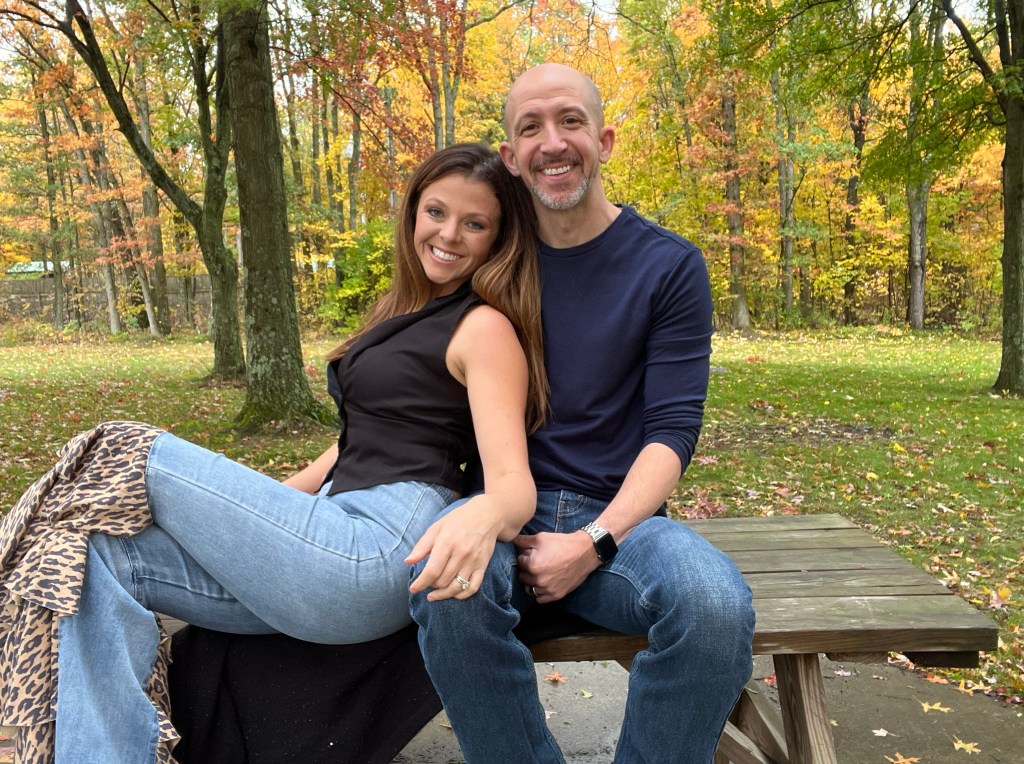
    This week marks 13 years since my first “not-so-date” with my wife.

    I affectionately stole the title of this article from a chapter in the book “Younger Next Year”.

    I read that book shortly after I opened RevFit and it’s arguably been my most referred book to clients, especially men, who the original book was primarily written for. 

    While the book was written for men who are nearing retirement as a way to get them to focus on their physical bodies, nutrition, finances and relationships, this particular chapter was one that stuck with me. 

    At the time that I read it, I would have been in my early 30s, with one dissolved marriage behind me and dating the woman who is now my wife (Marissa). 

    A concept in that chapter is that we (as men) might wake up one day in that phase around retirement and look at our wives and notice that, they’re not as young as they used to be…conveniently forgetting, that neither are we. 

    It was a plea to make sure that the relationship is sound and that, after the kids have grown up and moved on, that something of the marriage is left. 

    I could tell you that it was love at first sight and that would not be wrong. I saw pictures of Marissa all over her parent’s workplace long before I ever met her. There was plenty to be attracted to.

    I could also tell you that once we started dating everything came together very quickly. That would also be true.

    For those who don’t know, I “robbed the cradle.” Marissa is nine years younger than I am. I have no idea at what age I’ll retire or even if I could ever mentally do so. I’ve always joked that Marissa might strangle me if I didn’t have some kind of work to focus on. 

    Of course, the authors of the book highlight that it’s not just about aging bodies, what life is like in retirement, or how it feels to be empty-nesters. It’s about how strong the bond of marriage is at that stage of life that it can survive AND thrive.

    I’ve had the chance to see my wife from countless perspectives in our time together: through happiness and anger, grief and joy, through illness and days of health.

    What I wasn’t completely prepared for was how motherhood would change her.

    Marissa, by comparison, has only ever known me as a father. Jackson was from my first marriage and he was just shy of his second birthday when Marissa and I started dating. She has been a constant fixture in his life ever since.

    And, as anyone who has been in a similar position can attest to, it’s one thing to be a stepparent, it’s another thing altogether to bring a child of your own into the world.

    I would love to tell you some fantastic fairy-tale about how our marriage became all sunshine and roses after Sebastian was born but that would be untrue.

    We survived the most turbulent period of our relationship after Sebastian was born as well.

    I believe that what we learned about one another from that period had all rights and potential to break us.

    We chose to let it change us for the better and, as one might imagine, it took time for all of that to change course.

    I look at my wife with a different set of eyes now.

    Where we are now is something beyond my dreams or my comprehension. A lot has changed in 13 years.

    I joke with my wife that she is more attractive to me now than she was thirteen years ago…and she was REALLY attractive to me then too.

    Motherhood made her more beautiful (inside and out).

    Making the commitment to stay together made our marriage not only better but significantly stronger.

    Watching each passing year change between us in every possible way makes this life more valuable.

    And I tell her those things more often than I used to.

    Maybe it’s because the words and sentiments in that book stuck with me all these years.

    In another 13 years, Sebastian will be on his way to college. I’ll be 60, Marissa will be 51.

    We’ll have each other then and I hope to still have those words from the book in my mind.

    I saw an incredible marriage between my own parents until my father passed away.

    I’m watching something incredible happen in my own.

    I look at my wife now and I often think to myself: My God, how on Earth did I get someone like you?

    So, when I think about that chapter of the book: “How’s Your Wife?”

    I think: She’s absolutely amazing.

    How’s yours?

  • Maintaining Weight Through The Holidays

    An intentionally short post this week…

    I’m writing this in between Thanksgiving and Christmas. Depending on where you are and who you are in the world, these holidays may have a little or a lot of significance for you.

    On the heels of Christmas will be New Year’s, another holiday centered around food, celebration and possibly alcohol.

    And then…the calm arrives.

    Rather, there’s a span of time where the parties and events and gift giving and emotional chaos shrink back and give people a chance to breathe and perhaps try to succeed at New Year’s resolutions.

    I’m writing this to remind you that it’s okay if you don’t lose any weight between now and January 1.

    If fat loss is a priority for you, that’s perfectly fine. Just remember that now is a criminally difficult time to focus on fat loss.

    That doesn’t make it impossible it just means that you arguably have more things competing for your attention, your mental health, your schedule and your bank account than at any other time of the year.

    Asking you to be successful at fat loss, which is already stressful enough as it is, is maybe more than you can do right now.

    However, you can focus on another skill, which is maintaining your weight.

    Give yourself a buffer of say, 3-5 pounds.

    Allow yourself that room throughout the remainder of the year.

    You can change that buffer if you’d like with one guiding question: How far behind do I want to be when the holidays are over?

    There’s no wrong answer. Just measure what amount of surplus you’re mentally okay with and stay within those parameters.

    You don’t need to count calories.

    You don’t need to slog away on the treadmill.

    You don’t need to measure your uncooked steak to make sure you’re getting in enough protein.

    Just breathe, have some grace and forgiveness, and focus on time with your family, with your friends and try to find some moments to give yourself some attention and care.

    If I don’t take the chance to tell you again before the end of the year, Happy Holidays and Merry Christmas no matter how you choose to celebrate it.

  • Is It Loud?

    Last year, I started teaching Sebastian how to put records on a turntable. 

    Using records of mine that I was less concerned about him handling, I would show him how to hold the record, how to start the turntable, how to lift the tone arm and how to put records away in their protective sleeves. 

    I have two turntables at home, both of which are vintage tables which have been restored so it was always with the understanding that he only play records when I’m with him. 

    Because he was taking to the vinyl experience so well, Santa Claus brought him his first turntable and his first few records last year for Christmas. 

    I figured that if he took care of his turntable, maybe we would sit back and see if the interest in records continued. If so, we could look at getting him something better later on. 

    Sporadically, I started taking him to record stores with me. 

    Much like it was for me at that age, having the ability to look through record stacks was fascinating for him. 

    He’s not able to read all of the artists nor is he able to reach every stack, but because we listen to a fair amount of SiriusXM in the car, he has started to recognize certain bands and songs. 

    Admittedly, his favorite station is SiriusXM Turbo which plays mostly late 90s/early 2000s era rock, alternative and metal. 

    Sebastian’s life has been filled with music since he was born. Through his mother, it’s a combination of jazz, showtunes and some pop music. Through me, it’s a hodgepodge of metal, punk, grunge, shoegaze, BritPop, and random bits of hip-hop if I can find mostly clean versions of that music. 

    His main qualifier for whether or not he wants to listen to something is one simple question: Is it loud? 

    And of course, me being his smart-ass dad, I have to say: “Buddy, everything is loud if you turned the dial to the right.” 

    Yet, that’s not what he’s asking about. Loud to him generally means: fast, heavy or both (and of course, at ample volume) 

    His mother is not impressed. 

    It is fascinating to hear him in the back of my car when a song comes on the radio and shout: “Dada, that’s Linkin Park! Or, Dada, that’s Rage Against The Machine!” 

    A few weeks ago, I decided to start unloading some of my own collection to a local record store for trade-in value. I told Sebastian he could come with me and I’d pick up a new record for him. 

    We got in the car and I can hear my child in the back say: “Dada, I want a Pantera record.”

    Now, I don’t know what you know about Pantera but they fit the bill for all that Sebastian loves about music: fast, heavy and…loud. 

    Unfortunately, it’s damn impossible to get a Pantera record without also absorbing a lot of explicit lyrics. So, Sebastian is temporarily out of luck for adding one of these to his record collection. 

    Nevertheless, we made our way into the record store and Sebastian started looking around.

    The first thing that caught his eye was Hysteria from Def Leppard. He recognized the logo and knew some of their material from getting lost in a YouTube loop last year.

    “Dada, I want this Def Leppard record.”

    “Ok, buddy.”

    “Dada, what’s this record?”

    “That’s Halestorm.”

    “Is it loud?”

    “Eh, it’s kinda loud, they’re a rock band.”

    “What’s this record?”

    “That’s Overkill.”

    “Is it loud?”

    “Yes, they’re a thrash band. It’s loud.”

    “I want that Overkill record.”

    “Sebastian. I am not spending $40 on a record of a band you’ve never listened to before. By the way, look at this record…”

    “What is that record?”

    “It’s Nirvana. You have a Nirvana t-shirt.”

    “Is that loud?”

    “Yes. Some of it. Not all of it.”

    “I want that Nirvana record.”

    So, we grab Nirvana and Def Leppard and take them to the counter. The owner of the store looks at the records, looks at my son, and says: “You’ve got good taste!”

    Sebastian smirked from ear to ear.

    Since then, we’ve added another AC/DC record to his collection and a Deftones record. This goes along nicely with albums from Queen, Twisted Sister, Van Halen, Journey, Beastie Boys and Metallica.

    I also took another vintage turntable that I had sitting in our attic and upgraded him from the one Santa brought him last year. Now, our little rock-n-roller has a vintage turntable, a receiver, a phono pre-amp and some speakers (that will need to be upgraded soon) to play his tunes on.

    He still needs to learn how to take better card of the records and the sleeves but he’s done a damn good job taking care of the turntable.

    One of my client/friends here at the studio (Rachel H) said: “You know, J, most 5 year-olds like toys and trucks and action figures. Your 5 year old likes turntables and records!”

    If I was any more proud I’d probably split.

    To be honest, I don’t remember a lot of details from my childhood but I do remember scouring music stores with my parents looking for 45s and looking through some of my Dad’s old records from bands like Steely Dan, Poco and Hookfoot.

    I took a detour from some of the recent health posts to share this story before my old brain forgets some of the details.

    The next time you hear something loud, think of Sebastian.

    Better yet, turn it up.

  • 47 Random Thoughts At My 47th Birthday

    1. Drink more water (don’t worry about the Ph level of it) 
    2. Raise your fiber content: chia seeds, flax seeds, raspberries, blackberries, steel cut oats, green veggies, and sprouted grain bread are good places to start.
    3. Do cardio for mental health, heart health and stress relief. Don’t do it to burn calories (even though it burns calories). 
    4. If you’re doing cardio to burn off what you eat or what you plan to eat, you’re probably missing the point of cardio and your relationship with food. 
    5. For the love of all that’s holy, get stronger. You don’t need to be a power lifter. You just need more strength. 
    6. Love the life you have, not the life you want. You’ll appreciate the life you’re striving more much more if you can love what you have now and improve it. 
    7. Hatred, revenge and holding grudges has never served me well in 47 years. If you live with these sentiments, you’re wasting valuable energy. 
    8. Social media is not your therapist. If you need a therapist, hire one. It may be the best money you’ve ever spent on yourself. 
    9. A lot of people spend time waxing nostalgic about their glory years of youth. In my 20s, I was neck deep in drugs. Do I want to be in my 20s again? Absolutely not. The best years of my life are happening right now. 
    10. Read more books. Real books. Physical, tactile…smell them, devour them. 
    11. I collect records. I’ve become somewhat snobby with them. Being a record collector is a lot like taking care of your health. There is no shortcut to enjoying music that way. It is more expensive than listening to music digitally, it is more time consuming, it takes up more space than digital files, you have to handle vinyl with care if you want it to last. There are lessons in owning vinyl that transition to how you take care of your body. Sometimes, what’s convenient isn’t what’s best for you. 
    12. Do your share at keeping your house clean. There are certain chores I legitimately love doing and I know I’m contributing to a cleaner house, a more organized house and a happier marriage. It is not my wife’s complete responsibility to raise our son and stay on top of the house. That’s teamwork.
    13. The worst supervisor I’ve ever had in my professional career taught me a very valuable lesson about what kind of supervisor I didn’t want to become. He was a tyrant of a human being and I owe him a debt of gratitude for that lesson of who not to be.
    14. Carbs, insulin and toxins aren’t the problem with your diet. Guilt, shame and denial are the problem.
    15. What makes for great and popular social media posts is a terrible example of what works in changing your life. A great social media post makes its point quickly and is there for quick consumption. The things that will alter the course of your life for the better take time, focus and conscious, consistent effort. Don’t let impatience and a need for hyper-convenience derail you.
    16. Walking is the single most underrated form of movement that you can put into your life.
    17. With advice, it’s not necessarily WHAT we hear or HOW we hear it, it’s WHEN we hear it that matters. Case in point: how many times have you heard you need to increase your fruit and vegetable intake? It doesn’t matter how many times you hear it. It doesn’t matter who says it. It matters when your body feels like trash and you realize that you can improve your diet by X% by eating more nutritious food. As the adage goes: when the student is ready, the teacher appears.
    18. Everyone overeats. Seriously. Everyone does. Normalize the fact that it happens and if you feel that the frequency/size of overeating is negatively affecting you, seek help.
    19. I have loved my wife for all of the 13 years that I’ve known her. However, we have not always had a loving relationship. Changing that reality was a monumental move for our marriage. It made everything in our lives better: the way we treat each other, the way we raise Sebastian, the way we contribute to the upbringing of Jackson, and how we treat ourselves as individuals.
    20. A good coach puts themselves above no one. I am not better than my clients because my exercise and my diet are generally on point. We all have things we struggle through. I look at coaching much like a slow dance: sometimes I lead, sometimes I follow. The point is to pay attention so you don’t step on toes.
    21. I have always appreciated dissenting opinions. I don’t need to surround myself with people who agree with me. I want to learn from people who see things differently. The trick is to have a difference of opinion without being an asshole.
    22. The feeling I get when I take Sebastian into a record store and see him comb through vinyl like I did when I was not much older is a feeling I can’t put into words. I hope he carries a love of music with him for the rest of his life.
    23. You’re not lazy or unmotivated if you can’t lose weight successfully. You may, however, have a lot of unprocessed trauma you need to work through. See #8.
    24. To everyone who reads my blogs, follows me on FB or IG and shares my work: Thank you. It means a lot and I try my best to educate, inspire and entertain.
    25. Some people need a diet/exercise intervention to lose weight successfully. Some people need weight loss medication AND a diet/exercise intervention. Others may need bariatric surgery, potentially a weight loss medication, AND a diet/exercise intervention. There is no wrong path to fat loss. There is what works for you and you are not a lesser person because you couldn’t just work the diet/exercise path on its own. The human brain and human behavior are complex. We were not designed to all travel this world in the same way.
    26. I love my mother. I miss my father.
    27. There is no one-size-fits-all probiotic for gut health. We don’t know enough about the gut microbiome yet. That being said, a probiotic is likely safe for you to take and either you find the benefit or you don’t. You still probably need to revisit #2.
    28. Just because something is natural doesn’t make it safe for you.
    29. If someone you follow makes you fear certain foods and you do not have an allergic reaction to said foods, you should probably unfollow them. Fear mongering has absolutely no-place in a reasonable diet.
    30. About the only thing in nutrition that has very little gray area it’s this: you need to achieve an energy deficit (through either intake or output or both) to lose fat.
    31. Asking an individual to make changes to their diet is challenging enough. If they’re in a relationship, those changes are harder to make. If they’re in a relationship and raising a family, it’s even more challenging. That doesn’t make change impossible, it means that the more people who eat within your close environment, the more they have a direct influence on how, how much, what and where you consume food.
    32. Fat loss solves SOME problems. It doesn’t solve every problem. Not every pain and discomfort in the body is because of excess weight.
    33. Your body is constantly giving you signals. Spend less time numbing out emotions, stress and discomfort and pay attention to those signals. It could save your life. This has nothing to do with how much you weigh.
    34. I talk trash about a lot of things. Part of it is me just being opinionated (especially with music). There’s actually only one thing in life I truly hate. It’s cancer. Fuck cancer.
    35. I made a pact with myself at the beginning of this year to get my wife and I out of town for an evening each month. I didn’t succeed with that pact but we were able to do more than in previous years. I’ll keep an eye on that for 2023. That’s not a New Year’s resolution, that’s taking care of my marriage and reestablishing some sanity for us by having a routine getaway.
    36. Stop reading about self-improvement. Start improving. You can’t simultaneously read about ways to move your life forward and be executing on the knowledge.
    37. The only time motivation is more important than action is when you’re just getting started. It’s what you need to get you off the couch. After that, action will always precede motivation. Show up when you don’t feel like it (especially when you don’t, unless you’re sick or injured).
    38. On the note of injuries, they happen. This could be related to exercise or not. The goal is to recover as quickly as you can, rehab what needs it and move the other parts of the body that can still be stimulated. We can’t eliminate the occurrence of injuries, we CAN work to reduce the frequency and severity of them. Also, see #33
    39. Turn off all electronics (phone, laptop, computer, kindle, tablet, TV) within 30-45 minutes of bedtime. Use the bed for sleep and sex. You’re welcome.
    40. I am extremely lucky that I work at a place that I genuinely love coming to. I spend 60+ hours a week at the Rev and I don’t take that circumstance for granted. I don’t believe that you need a job that you love to be happy. I do believe that you need a job you can do proficiently that allows you the time and space to do something you love outside of it.
    41. If you’ve hired someone to be your coach, tell them about yourself. Not just your goals. Talk about your pain, talk about your past, talk about the things that rattle around in your head at night. THAT’s the stuff that will help you get closer to your goals. The less you unveil, the less a coach (or therapist, for that matter) can get to the heart of the obstacles. If we’re talking about diet, it’s never JUST about food.
    42. You can’t be great at everything. Give yourself a tablespoon of slack if you really kick ass at certain areas of your life but you’re a hot mess of a human in other areas. Hi, I’m Jason. I’ll be your coach and conductor on the Hot Mess Express. Put your seat belt on, grab your popcorn, we will be listening to no Taylor Swift music on this ride.
    43. There is almost no reason whatsoever to be hopped up on caffeine all day long. The problem isn’t that you need more caffeine, it’s that your sleep habits are god-awful. Why are they god-awful? Because you drank two coffees, 2 Bangs and you thought you needed a pre-workout before your evening lift. Get.Some.Sleep. Read #39.
    44. There’s a really good chance that you need less variety in your diet to succeed at fat loss (or at least get momentum in starting fat loss). Start with consistency and predictability and be okay with some boredom. Add in variety as you go along.
    45. A little bit of hunger is okay on a fat loss diet. Being ravenous with a growly tummy is not okay.
    46. Most diet advice on the internet is terrible advice for people with a history of eating disorders.
    47. I have done a lot of things in my life that I am not proud of or am otherwise ashamed of. I have also done a lot of good, caring, and thoughtful things. Every day, I have a choice of what tape I want to play on loop in my head of the person I think I am: the person I’m proud of or the person I’m not. That tape informs the trajectory of the rest of my life. You may not have the same past that I do, but pay close attention to what your tape is playing on loop in your mind. The message matters.
  • And Again…Thank You

    I try to remain mindful of how and when and how often I express my gratitude.

    I know it’s “that time of year” and this article is falling just days before Thanksgiving.

    2022 has been a year of change.

    At the beginning of this year, I started working with and for Dr. Spencer Nadolsky as part of his team of coaches with Big Rocks Nutrition Coaching. It has been an awesome experience and I’ll give my first round of thanks and gratitude to Spencer for allowing me to be part of the journey, to Coach Dan who oversees the staff of coaches in the program, to the amazing coaches I get to work with and learn from: Rachel, Michelle, Alja, Sarah and Jenny, and of course, to all of the clients I’ve had the chance to work with in the program who I doubt I would have ever had the opportunity had it not been for Spencer.

    It was my hope in joining forces with all of them that I could continue to learn skills I didn’t have before and improve on ones I brought to the table. I believe that has been a success. Thank you to all of the BRN community.

    As work was scaling up through BRN, I knew that I would only be able to handle so much on my plate, so I used the opportunity to give my coaches at RevFit more responsibility by asking them to share the workload of client programming at the studio. I’ll give my first round of thanks and gratitude to the two gentlemen who have been helping me not just on the training floor but with sharing the responsibility of programming the training cycles of our clients: Coaches David and Nick.

    In addition, I need to thank Coaches Mike and Megan for also being a part of the monster that is RevFit. While roles continue to ebb and flow with the demands of life and work, I am extremely grateful to you both for all the help you have given me this year.

    As another component to taking on the work with BRN, I made the decision to put my podcast on an indefinite hiatus. While I do miss all of the inspiring conversations I had during its six year tenure, all of the episodes remain active on your podcast platform of choice. I’d like to give my humble thanks and gratitude to every person who tuned in, everyone who subscribed and every guest who shared the time with me. I am grateful for all of the knowledge we could share with the world.

    It takes a special kind of work to commit 60+ hours of a given week and a special kind of clientele to service. I’m fortunate to have both. I don’t know how to express the appropriate amount of gratitude to the people who come through the doors of RevFit day in and day out. With an age range that spans from 12 to 84, we see a little bit of everything at the studio. I tell my coaches: We’re very blessed to have such a diverse community of folks from all walks of life who show up several times a week to support themselves, to support each other, and to have a place where they can get closer to their goals.

    I’d love to tell you that I had some master plan to get us this far but I didn’t. I just tried to foster an environment that I could be proud of and look forward to being a part of.

    I’ve succeeded in that.

    Thank you to all of the tremendous people who came through our doors this year. Whether you are a long term client, someone brand new to us, or someone who came and decided to train elsewhere, the sentiment is the same: Thank You. It means a lot that you chose us for ANY amount of time.

    To my family: from my in-laws to my mother, to my sons and my wife: Thank you for giving me the space and time to do this work. I hope and aim to make you proud.

    Lastly, one bittersweet moment of gratitude: most days, I’m grateful to be in this world. I try to never forget the people who I love who are no longer here to share this time with me. It’s easy to get lost in the rush of the days and weeks which pass by at a seemingly faster pace than ever. I am fortunate to be here, to be alive and well, and to be a part of life with all of you.

    I know how precious this life is.

    Thank you to everyone who is a part of my world, near and far.

    Love the life you have.

  • Gold Stars For Effort

    It started off as a joke.

    Credit to our Melissa L. (a schoolteacher, at that) for initiating the conversation about gold stars for effort.

    Melissa was commenting on the fact that she deserved a gold star for some of her gym efforts. This sentiment was reinforced from our Rachel H. who was actually the person who referred Melissa and her family to us at RevFit.

    So, as a way to keep the joke going, I bought a pack of gold stars.

    Once clients started hitting personal bests on their lifts, I’d grab a star and stick it on their shirt: “Gold star for the P.R!”

    And, as silly as it may seem, everyone, I mean, EVERYONE, smiles when they get one.

    It’s not just personal bests though (we say personal record at the Rev).

    Clients might get a gold star for attendance, hitting a weight loss milestone or some other point to celebrate.

    However, where I also found value in them was for habit tracking.

    And in this case, I credit my online client Paula M.

    Paula is a successful dentist as well as a loving and devoted mom and wife in Canada.

    She and I started working together through my work coaching in Dr. Nadolsky’s Big Rocks Nutrition program several months ago.

    We noticed two areas in her diet and lifestyle that needed attention. Because I know how much she has going on, I told her to give me a daily update on whether or not she successfully nailed those behaviors.

    Each day, Paula sends me a message with two thumbs up, two thumbs down, or one up/one down letting me know if she was successful the day before.

    I take my gold stars and place them on my blotter calendar at work so I can see what the trends are. If she hits two days in a row of “two thumbs down”, I won’t have stars on the blotter for those days.

    I might also send a loving nudge:

    Change your trend.

    Paula takes the cue and starts correcting course.

    So far, it’s been a nuanced but insightful exercise for both of us. We know that even if she is “spot on” with nailing these two habits, there is still the chance that she may overeat in a given day.

    However, she stacks the deck in her favor if she can hit one or both habits with more accuracy as opposed to less so.

    At the end of each month, we recap what happens with the gold star trends and discuss how to make the next month better.

    In Paula’s words: Gold stars: as effective on a “X” year old mother and dentist as they are on a 5 year old!

    No truer words have been spoken.

    Sometimes, it’s little symbols to celebrate the wins which can speak the loudest.

    In this case, that semi-joke about gold stars that Melissa started several months ago has actually turned into something that sparks happiness, motivation and a sense of achievement.

    It’s not revolutionary but it’s working for us.

    It might work for you, too.

  • Losing It

    So, you’ve decided you want to lose fat and you don’t know where to start.

    I wrote a rather lengthy piece sometime back on the numbers of fat loss and this wouldn’t be a bad place to get acquainted with how you can successfully reach your goals.

    However, I wanted to look at the numbers from a different perspective for this week’s article.

    First off, we need to get a rough idea what your maintenance calories are.

    A decent calculator is HERE and you’ll want to be as accurate as possible with acknowledging how active/inactive you are on a given day.

    Remember that every calculator is different and if you try 20 different ones, you’ll get 20 different answers. While the disparity between them may not be 1000 calories off, there could be a difference of a few hundred calories between each.

    That’s why we’re just looking for a rough estimate to work from.

    I’m going to use a very arbitrary goal of 1800 calories for the purposes of this article.

    Of note, 1800 calories would be more aligned with fat loss for a female as opposed to a male but the sentiments shared here can apply to both.

    I should also mention that 1800 calories is too high for some women and too low for others.

    Once you’ve determined your personal maintenance number, you can use a food tracking app like MyFitnessPal, Lose It, MyPlate, MacroFactor, etc. as a place to log your intake. Each of these apps use different algorithms for calculating maintenance calories as well, so expect differences but don’t get too hung up on the numbers (yet). Should you elect to use an app, make sure that you set your goal inside the app for maintenance as opposed to an arbitrary fat loss goal.

    The reason I want you to start at maintenance for a period of time (days/weeks) is to understand what that amount of calories looks and feels like. Unfortunately, most people who have been trying to lose fat are either in an aggressive deficit or they’re well into a surplus of calories. Dialing into maintenance isn’t just important when you’re getting started, it’s actually your resting point (albeit with different numbers) when you reach your ideal weight.

    To get your intake as accurate as possible, use a food scale to measure the weight of your food, use measuring cups/spoons, scan SKU numbers on food labels and try to limit dining out. Note that many chain restaurants and fast food establishments post their calories which can be helpful but might also be outdated and inaccurate. However, it’s better having some idea what the calories are as opposed to absolutely no idea.

    If you’re weighing your food, note that with meats and seafood, it’s better to weigh them raw as opposed to cooked. When you cook them, you’re mostly losing water which reduces the size of the food but not the calories by any considerable margin.

    After you’ve spent a few days/weeks at 1800, keep an eye on your body weight. Is it up, is it down or is it the same?

    Here’s the interesting thing to note, some people lose weight at their estimated maintenance calories. This can be for a handful of reasons:

    1-the perceived maintenance is lower than your actual maintenance (due to calculator differences)

    2-your NEAT (non-exercise activity thermogenesis) levels have increased

    3-the quality and intensity of your workouts has increased (you burn more calories during exercise)

    4-your protein intake may be higher (contributing to a higher thermic effect of food)

    5-eating closer to maintenance makes you less likely to overeat

    So, you can make the decision to stay at 1800 until your fat loss stalls or you can start reducing your intake further.

    Remember that 1-2 pounds of fat loss per week is a safe, reasonable amount to lose. If you have significantly more weight to lose, closer to 2 pounds loss is realistic and if you have significantly less fat to lose, 1 pound (and sometimes less) is more realistic.

    In determining the deficit to create, there is a general theory that the higher you can keep your calories and still see results, the easier the diet will be to adhere to. I’ll say that this theory is probably accurate for many people but not all.

    We’ll start somewhat conservatively and break down a deficit somewhere between 10-20% of maintenance.

    Approximately 1620 calories gives you a 10% deficit.

    Approximately 1440 calories gives you a 20% deficit.

    Consider that you work within a range of 1440-1800 calories on a given week. If you can adhere to 1440 for an entire week, your results would reflect it. However, if you’re strength/endurance training with some degree of intensity, you may prefer to shoot you calories on the higher end so that the quality of your workouts doesn’t suffer.

    I’ll estimate that our hypothetical woman here is exercising regularly so we want to keep her protein high enough to optimize her training and recovery. A rough range might be 20-25% of your calories in protein per day. The remainder can be split between carbohydrates and fat in a ratio that feels best. In other words, find your calorie goal/range, set your protein targets and leave the rest for carbs and fat. For more flexibility, you may want to aim carbs a bit higher on training days and fat a bit higher on rest/recovery days. That’s only a suggestion.

    What if you wanted faster fat loss?

    Well, we could be slightly more aggressive and aim for a 500 calorie deficit each day. It’s roughly 3500 calories per pound of fat so a 500 calorie deficit should net you close to 1 pound down each week.

    This adjusts you down from 1800 to 1300.

    The same protein principle applies. Set your range of 400-480 calories coming from protein and the rest is carbs and fat.

    Bear in mind that as we continue to drive the deficit more aggressively, NEAT levels may drop, the quality of your workouts may drop and you may experience more cravings, more irritability, and poorer sleep quality. These are potentials and not guaranteed outcomes.

    It’s also important to note that as you lose fat, your body requires fewer calories at maintenance which means that 1800 is now too high and the deficits will drop as well. This may not need your attention until you’re down somewhere between 10-20 pounds lower than your starting weight. A small shift downwards may be all that’s necessary.

    What if you wanted to be more aggressive?

    There’s a school of thought that a deficit of 50-60% from your maintenance can not only be a faster path to fat loss but potentially with less hunger as well. This may seem counterintuitive. A 50-60% deficit would put you between 720-900 calories per day. Set your protein intake first. Then, set your fat intake at no less than 20% (140-180 calories). The remainder would be carbs.

    Many aggressive fat loss protocols that you find being offered to the general public will be in line with this last option. While they may dress it up as something more, what you’ll find is that many fat loss programs that gain traction will put women south of 1000 calories. I won’t say it’s bad or good. I will reiterate that the more aggressively you drop your calories below maintenance the harder it may be to sustain, the easier it may be to rebound AND you may not be able to train with much intensity.

    A slightly kinder option is to experiment across the ranges.

    Start with maintenance first. Get comfortable there and see if it equates to results on the scale.

    If you enjoy training with intensity, a smaller deficit may be the best route to go or at least adhering to a smaller deficit on training days.

    You can experiment with lower goals on non-training days if you like but ultimately, you need a plan you can stick with that 1) Allows you to live your life 2) Helps you reach your goals.

    A side note: if you have a history of eating disorders, aggressive dieting is not advised.

    It can be easy to be seduced by the scale and forget that sometimes the way we want to diet (with a focus on speed) can have a detrimental effect on our mental well-being, our workouts, our sleep, our hormones and our social lives. Be willing to take the process slowly so you can learn more about what works and what doesn’t and modify as you go.

  • A Short Read On Underreporting

    One of the most challenging aspects of fat loss, for both the client and the coach, is handling the underreporting of food.

    Underreporting isn’t always conscious. Sometimes it happens without us knowing that it’s happening.

    Here’s a quick list (not exhaustive) of ways that underreporting can happen:

    -Using an inaccurate option in a food tracker app (like MyFitnessPal, Lose It, etc.)

    -Using eyeball measurements of food, drinks with calories or cooking oils

    -Relying solely on measuring cups and spoons when a food scale would be more accurate

    -Forgetting to log grazing and random bites, licks, and nibbles of food throughout the day

    -Not having access to accurate calories from menus when dining out

    -Weighing cooked meats the same way that raw meats would be weighed (cooked meat weighs less due to the loss of water during cooking, not necessarily a loss of calories).

    -Not being cognizant of the fact that food labels can be incorrect

    -Consciously not submitting foods due to embarrassment and/or feelings of guilt/shame over food choices

    One of the best pieces of advice I can give to anyone is that, if fat loss is the goal, and you’re trying to track your calories as accurately as possible but you’re not seeing results, start with the question: Where could I be wrong?

    Step back and look at places in your tracking and in your eating behaviors where things might not be on point.

    Also, do your best to not judge food choices. Foods are not “good” or “bad”, they simply exist.

    Yes, some food choices are more nutritious than others but we don’t always gravitate to those.

    Sometimes, we just want to eat for hedonic pleasure and not for nutritional benefit.

    I should also mention that you do NOT have to track calories to be successful with fat loss.

    For many of my clients, we can look at some patterns of eating and determine what to improve on.

    That might mean that a client who snacks three times a day on average can reduce down to one and see fat loss results.

    It might mean that a client who consumes alcohol every evening can reduce the amount of alcohol or can reduce how many days they imbibe.

    And yes, some clients legitimately need to spend time learning how to accurately weigh, measure and/or track food for a short period of time so they can be better aware of where they’re struggling.

    While it’s never a demand that we have to be 100% accurate with our intake, denial of intake is a different matter altogether.

    I will say, as much as it pains me to type it, that some coaches legitimately shame the food choices of their clients. I don’t understand it and I wish it didn’t happen but it does and this can influence the accuracy of tracking as well.

    A point of consideration is that, if I were to look to my accountant to help me better manage my finances, they would need access to bank statements and credit card statements to understand what’s happening with my expenses.

    Everything is clear-cut and in black and white.

    However, with our food, it’s not clear-cut and it’s definitely not black and white.

    That being said, if you have hired someone to coach you on your fat loss journey, ask yourself: How precise can I make my data so that my coach has every advantage in helping me?

    If you identify with a history of food that includes an eating disorder, calorie tracking may do more harm than good. I wrote more about that HERE.

    If you’re going to track your food, by any measure you deem appropriate, you owe it to yourself to be as accurate as you can.

    Underreporting is normal and the more you can minimize the errors involved with it, the better your results can be.

    I should also add in conclusion that whether or not you underreport says nothing about your worth as a person. Tracking food intake can be time consuming, cumbersome and genuinely sabotaging for some individuals.

    If you get stuck, ask for help.

  • The Skills Of Eating

    I just finished reading the book “The Elements of Style” by William Strunk Jr. and E.B. White.

    This short book is packed full of insight into how to be a better writer.

    Since I am either writing articles like this one, writing posts for social media, writing messages to clients in email or messenger form and, at the very least, crafting text messages, it never hurts to learn more in efforts to improve.

    In the foreword, Roger Angell wrote a line that stuck with me:

    “Writing is hard, even for authors who do it all the time.”

    I thought about that for a few moments.

    If the skills of writing are hard for authors, especially those who make a living with the written word, consider how challenging it is for those who don’t do it as frequently or struggle outside of oral communication.

    Of course, the next place my mind went was with the skills of eating.

    We’ve been eating since we were first brought into this world.

    We often eat several times a day.

    Most of us have access to an overabundance of foods; from minimally processed, whole foods to ultra-processed, easy-to-overeat foods.

    And yet, many people have absolutely no idea “how” to eat.

    So, we hire dietitians and nutrition coaches, we order meal-prep services, we buy cookbooks and search endlessly online for calorie plans, macro splits and healthy food options.

    We invest in diet methodologies that resonate emotionally with us.

    We join online groups so we can be a part of a community of like-minded eaters and still, we struggle to know how (and how much) to consume.

    I’ll take my own liberties with Angell’s thoughts:

    “Eating is hard, even for those of us who do it all the time.”

    Allow me to give you the terribly unsexy tips about what to eat (none of which should seem revelatory to you):

    -Consume lean sources of protein

    -Eat several servings of fruits, vegetables and legumes

    -Moderate alcohol & caffeine consumption

    -Drink enough water

    -Consume some healthy fats

    -Limit hyper-palatable foods in the diet

    If that was as unsexy to read as it was for me to type, consider that this is why much of this advice is ignored.

    It’s not glamorous, flashy or eye-catching.

    It hits no emotional buttons for you.

    No food has been excluded or demonized.

    Nevertheless, despite the fact that you already know this information, the how and why of consuming these foods remains something of an enigma for most people.

    This is not completely your fault.

    Over the decades, we’ve been taught, at one point or another, to fear every type of food, to eliminate or drastically reduce the occurrence of each of the three macronutrients (four, if you count alcohol), and even if all we wanted to know about food was how MUCH to eat, every calorie calculator is an estimate, every method of measuring food available to the public is fraught with errors, and sometimes all we want to do is curl up on the couch with a pint of ice cream and say: F–k it.

    Yes, hormones influence how you eat.

    Yes, some people express their love language with food.

    Yes, you may have an intolerance to certain foods.

    Yes, it is possible that what you once may have been able to eat in abundance you can no longer do so without discomfort.

    Yes, the style of eating that works best for you may not work best for your spouse, your children, or your parents.

    Yes, lack of quality sleep can correlate to higher food cravings.

    Yes, chronic exercising can increase your hunger (for some, it can be an appetite suppressant).

    Yes, there is a genetic link to your hormones and how they affect your hunger/satiety levels.

    Yes, your food environment (what you have easy, direct access to) influences your diet adherence.

    Yes, high stress can make you want to overconsume food (for some, high stress has the opposite effect).

    Yes, some people need food rules (more rigidity) and some people need fewer rules (more flexibility).

    Considering all of these factors, every aspect of eating requires a skill.

    Cooking is a skill.

    Managing stress and sleep so that you are less likely to overconsume food is a skill.

    Measuring portion sizes is a skill.

    Calorie/macro tracking is a skill.

    Losing body fat is a skill.

    Gaining muscle mass (with minimal fat gain) is a skill.

    Long term maintenance of your body weight is a skill.

    Allow me to reiterate: Eating is hard, even for those of us who do it all the time.

    If this seems overwhelming, don’t be surprised. We are a nation of highly-stressed, sleep deprived, hustle-and-grind individuals who are trying desperately to make all the pieces fit.

    Practice frequent moments of grace and forgiveness if you’ve been on this planet for decades and you can’t quite solve the riddle of how to eat in a manner which best serves you.

    Stick to those basics, those unsexy tips above, as a reference point.

    Be willing to constantly polish your skills of eating.

    You don’t need another diet book.

    You don’t need to be scared away from foods or food groups (unless you are allergic or otherwise intolerant).

    What you may need is reminders that something as automatic and intertwined to our lives as eating is more challenging than we give it credit for.

    When I read a book about being a better writer, it’s because I genuinely want to improve and educate and inspire. I’m willing to learn those skills.

    When you read about eating, be willing to learn the skills it takes to eat in a way that improves your life, not in a way that diminishes.

    Lastly, you are worth the time it takes to develop those skills.