1: Finding a movement practice that you can start with and become consistent with is the first rock to move. That might mean consistently walking, doing yoga, taking Pilates, or starting a strength training program. Don’t fuss over what the “best” thing is to do. At the beginning, it’s about finding a practice you can do to make the routine part of your lifestyle.
2: Aiming to be sore after a workout is not a great marker to measure against. Soreness could be an indication that you are not recovering appropriately.
3: Beginners in strength training tend to make quick progress over the first year or so. After that, progress generally slows down and it can take more effort, time, and focus to reach new records in the gym.
4: Look for the gaps. If you’re currently lifting weights consistently, look to see if you need to level up on adding in cardiovascular exercise. If you do yoga or Pilates, you probably need to start incorporating strength training.
5: You’re going to reach a point in your training where several workouts per month will probably feel like they were a waste. They’re not. Some workouts will feel like trash, some will be okay, some will feel great. This is normal.
6: One of the most difficult things to bounce back from isn’t injury or illness. It’s taking a considerable amount of time off. You can train around most injuries. You can start back slowly after you’ve come off of being sick. But if you’re taking weeks off from training it is so incredibly difficult to put that time back into your schedule. I don’t subscribe to the philosophy of #nodaysoff but I do think you need to keep a steady routine of training without walking away from your movement practice altogether.
7: If your last 2-3 reps of an exercise are basically the same speed and intensity of your first 2-3 reps, you’re not challenging yourself enough.
8: If the only training you’ve been doing is training to “feel” a certain way, start documenting your training. Try to beat previous weights, reps or sets. Conversely, if all you’ve ever done is document everything, take a break and train to “feel.” You will likely appreciate the difference between the two.
9: Vomiting and passing out are not badges of honor. Training should give back to your life, not take away from.
10: Authors Chris Crowley and Dr. Henry Lodge said it best (and I’m paraphrasing): Your body does one of two things: growth and decay. You get to choose which one it will do.
11: If you’re looking for longevity with your life, lifting weights is going to be hard to beat.
12: Start at any age. If the first time you lift a weight is the age of 70, by God, do so and make the best of it. Your body will thank you.
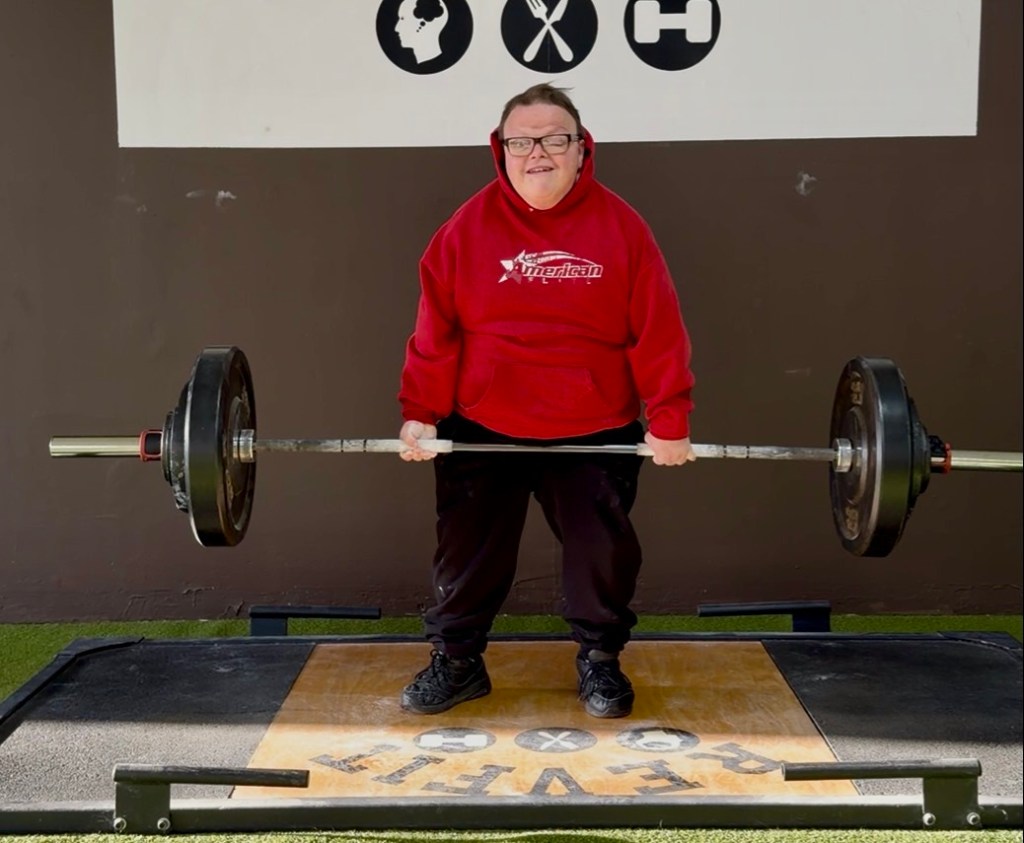
13: Unless you’re competing in lifting, there is no exercise that you absolutely have to do. Some may have more benefit than others to cross over for activities of daily living but don’t think you need to put a barbell on your back to squat. You just need to start squatting and get better and stronger.
14: I’m going to share a little something with you from 18 years of coaching. A sentiment shared by more women of a certain age than ever before. After years of caring for others, women are coming in and saying: I need to take care of myself for once. And I need to be strong. Ladies, this is your sign to get started. Get started soon, and don’t ever, ever, stop taking care of yourself.
15: Injuries may happen. This can be one of the risks of pushing your body. The goal is to minimize the frequency of injury, to reduce the length of time you’re in recovery and to find ways to train around the injury.
16: No matter what size or shape you are, how your move your body can contribute to a level of confidence that few other things in this world can give you. When you see what your body is capable of, you will find ways to treat it with more respect.
17: Our current eldest client, Richard (86) once said: I’m here to train so that I go as long as humanly possible without my family having to take care of me. Amen to that, Richard.
18: Don’t let your former glories discourage you from where you are now. All that matters is the best you can give at this moment. Let your best effort now inform what happens tomorrow.
19: There is no perfect workout plan. There are plans that ebb and flow with the demands of your life. Show up for them and make modifications in real time to let them complement what life is currently throwing your way.
20: Having a community to support your training goals is invaluable. Yes, some people can get by training solo in their basement, garage or at a gym. They are not the rule, they’re the exception. For everyone else, find your crew. It will take you further than you can imagine. I know a place…
 Jason Leenaarts
Leave a comment