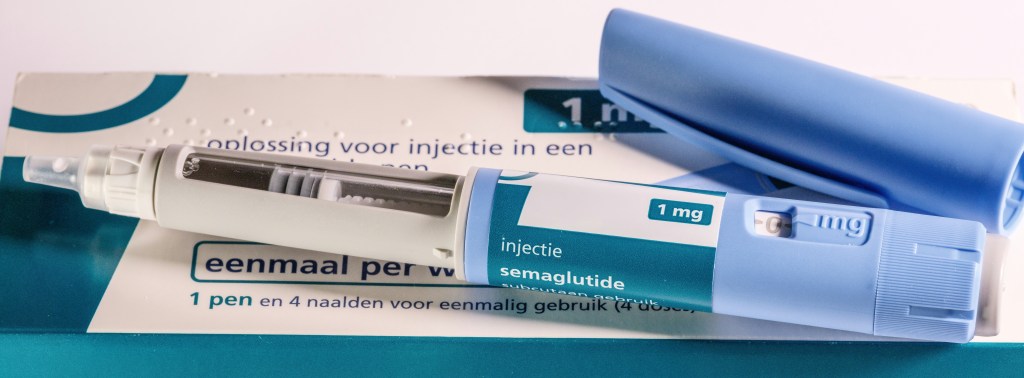
Last week, I mentioned that the FDA is continuing to crack down on companies offering compounded versions of GLP-1 receptor agonist medications.
At the same time, a recent update in this world is that there is now an FDA approved oral alternative that is not only a viable option for those who don’t like needles but is also more cost effective.
And yet, many people who are either currently on GLP1s, no longer taking GLP1s because of cost or side effects or considering taking them in the future, there isn’t enough dialogue around how to stack the deck in their favor.
Here’s a short(ish) list:
-Protein
You have to make sure you’re getting in enough protein. You may find that smaller, more frequent meals help to manage any GI distress on the medications.
The same protein considerations that would be helpful on a fat loss plan without a GLP1 is the same if you’re on one. The difference being: if the medication is working the way it’s supposed to, you may find that your current calorie intake is relatively low.
Stick with leaner sources of protein, protein shakes/powders, and possibly protein bars that aren’t filled with sugar alcohols.
A protein range to shoot for is 1.2-1.6g of protein per kilogram of current bodyweight. So, a 200lb (91kg) person is aiming for 109-146g of protein per day.
You don’t have to be perfect, but you need to be close. This helps support your lean muscle mass, your immune system and helps you stay satiated while you’re losing fat.
-Fiber
One issue that many people fall into when they’re in a significant energy deficit is that they don’t consume as many carbohydrates and that’s where you’ll find fiber.
Fiber can be found in many vegetables, fruits, whole grains, nuts and seeds. Be mindful that nuts and seeds also have a fat component to them and they can push your calories higher than you might otherwise recognize.
A good place to shoot is 12-14g of fiber from a variety of sources per 1000 calories in your diet. A very loose guideline which does not apply to all is 25g for many women and 35-40g for many men.
Increase fiber slowly. If you’re currently averaging 10g per day, don’t try to meet the minimum right out of the gate. Try adding 5g or so over a couple of days to see how your digestive system handles it before going up the next small amount.
You want to have enough bulk in your diet to still have quality bowel movements. If you’re concerned about the consistency of those movements, the Bristol Stool Chart is very helpful.
-Strength Training
If you’re not already lifting weights, this is your cue to start. At least 2 full body workouts per week can set a great foundation in making sure you’re supporting and stimulating the lean muscle mass you currently have.
Many of the claims of “Ozempic Face”, “Ozempic Butt” or whatever other headline is making the waves can be helped by keeping an eye on the nutrition assistance listed above and starting to lift weights.
Everyone responds to fat loss in different ways and not only can you not “spot reduce”, you also don’t have a great deal of control over skin elasticity with fat loss. Building muscle (even if you’re not trying to be a body builder) can be crucial.
-Food Journal
I can’t stress this part enough. When the GLP1 is working the way it should, it might feel like magic is happening: food noise is reduced, you’re no longer finishing your plate, portion sizes you used to eat you are boxing up for later and the pounds are just dripping off.
The problem is, some people can’t stay on them. Either the side effects are too significant, they aren’t affordable or they didn’t plan to use them long term.
If you still have a fat loss goal, the same principle applies: you have to find a deficit you can stick with and the best place to start is with the food intake you had while you were on the medication.
Make note of portion sizes, food selection, meal and snack frequency, etc.
It’s been reported that many people regain upwards of 2/3 of their starting weight when they get off of the medication. If you don’t want to go that direction, having a food journal that shows you what worked can be extremely helpful.
Please don’t mistake this sentiment for being “easy”. One of the most impressive benefits of the GLP1s is the reduction of food noise which can be a “make or break” when it comes to success.
If you can’t stay on the medication for any reason, the food noise will likely return as well. Getting yourself as close as you can to your ideal weight will give you the flexibility of increased calories when you’re eating to support body maintenance.
This assumes also that you’re still keeping up with the previous 3 tips in this article to make the process as “simple” as possible.
-Support
I’ve been working with clients on GLP1s since 2022. I believe the number of clients who are on them will only increase over time as the medications become more cost-effective and newer, more powerful medications hit the market.
I do not see GLP1s as a shortcut, but rather, an integral tool for those who need it and have found success utilizing it.
On the flipside, I also support those who have had to discontinue GLP1 usage. Everyone deserves to have a sounding board and resource to turn to with or without the medication.
Need my help either face-to-face or online? Drop me a message.
(Photo courtesy of Haberdoedas)
 Jason Leenaarts
Leave a comment